
Molfetta
A day in Molfetta - Between famous landmarks and hidden gems
CulturaA town rich in folklore and one of the most important seafood centers in the region, Molfetta offers its visitors a breathtaking landscape not to be missed.
The Duomo, the port and the historic center are the defining elements of the town, and in this itinerary we recommend experiencing all of them — starting with the Island of Sant'Andrea. The oldest urban nucleus of Molfetta, born as a docking point for vessels, where the true protagonists are its churches: the Duomo of San Corrado, the Baroque Church of San Pietro, the majestic Cathedral, the Church of Purgatory and the Church of Santo Stefano.
Venturing further into the ancient borough, you can visit the famous Church of Death — also known as the Church of Santa Maria del Pianto — an extraordinarily ancient place dedicated to the cult of the dead.
Molfetta's territory has ancient origins that are lost in the mists of time. The town has been inhabited since the Neolithic period, and the Pulo area stands as an undisputed witness to human settlement as far back as the 6th and 3rd millennium BC.
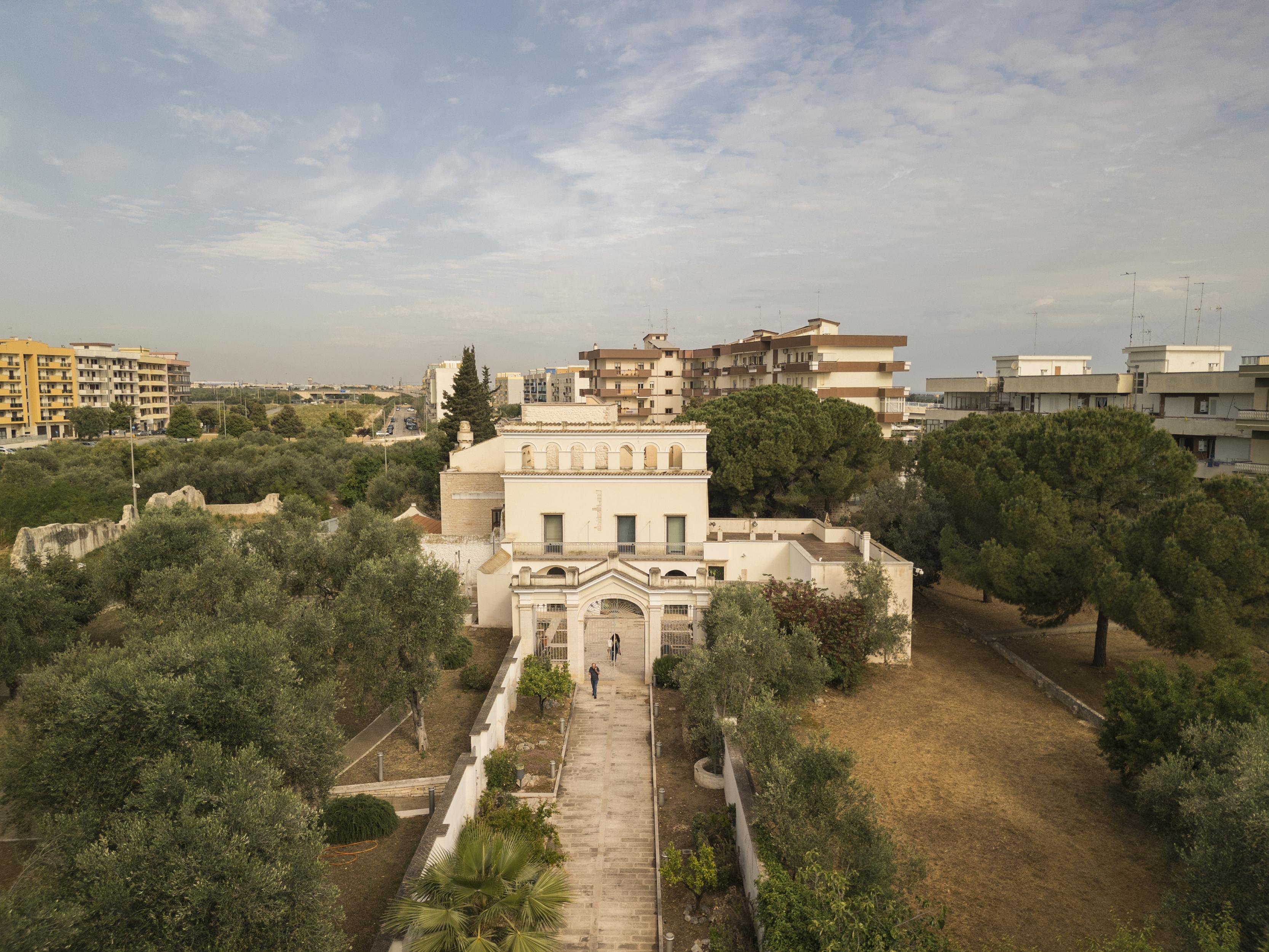
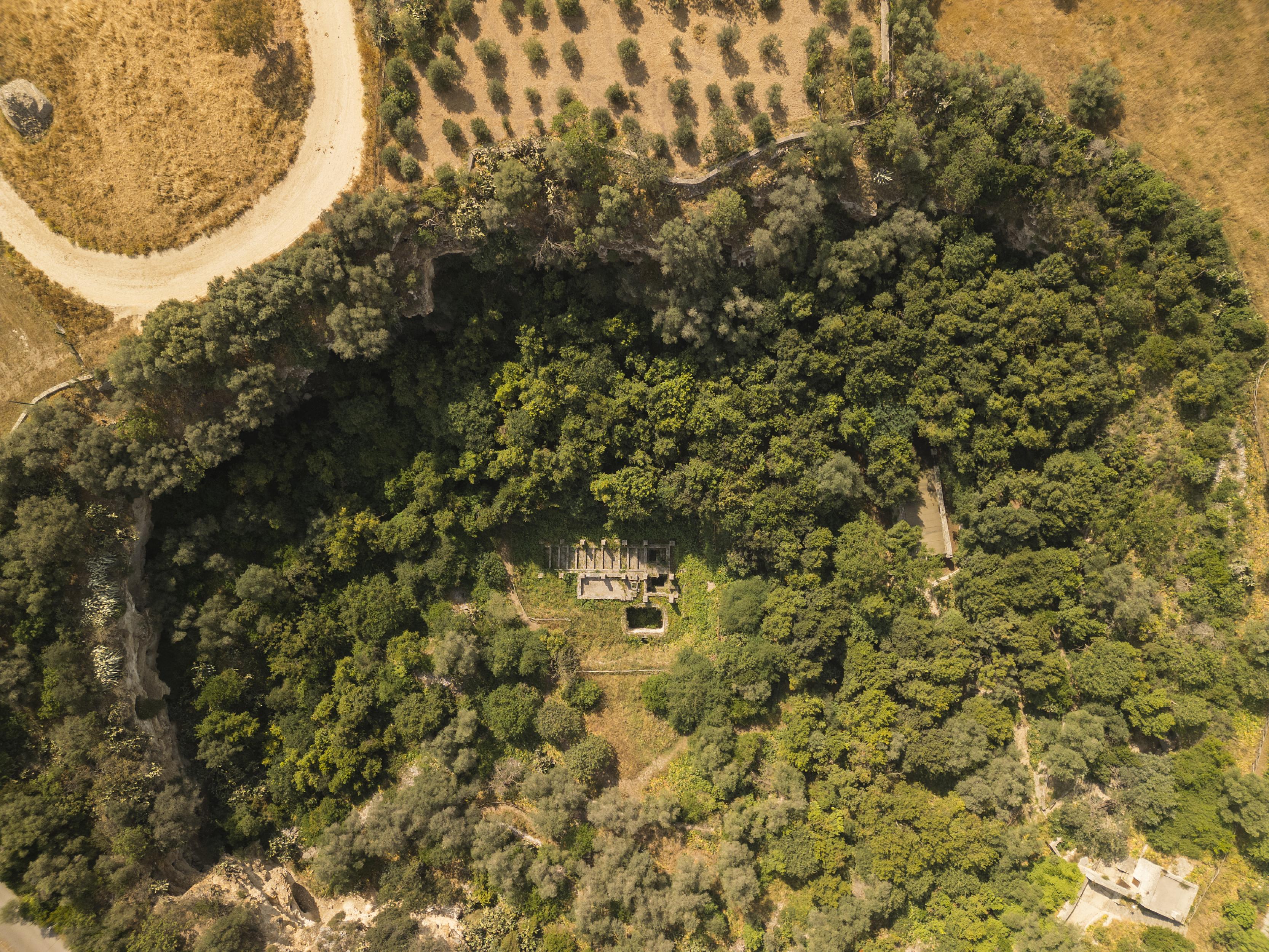
The Pulo is one of the largest karst sinkholes in Apulia, located just a few kilometers from the town, whose rocky walls host a remarkable variety of flora and fauna typical of the Mediterranean environment. Those passionate about history and archaeology can explore the fascinating story of this site further at the Museum of Pulo at Casetta Cappelluti — a 19th century building hosting a museum dedicated to the archaeological discoveries of the region.
During the Middle Ages, the town grew into a flourishing port, allowing it to become a hub of commercial exchange with the Maritime Republics and Greece. From the 11th century, Molfetta also became an episcopal see — a role that has always guaranteed the town great prestige.
To discover the important artistic and religious heritage of the diocese, head back to the oldest and most historic part of the town and visit the Diocesan Museum of Molfetta, where temporary exhibitions and cultural events may also be taking place. A visit that will offer the opportunity to fully appreciate sacred art, as well as admire the most significant paintings of Corrado Giaquinto, a renowned 18th century artist originally from Molfetta.
Remaining in the most ancient part of the town, on the opposite shore of the port, you can admire another splendid church — the Basilica of Madonna dei Martiri, which houses fascinating attractions including the Permanent Nativity Scene, the Museum of Popular Devotion and the Crusaders' Hospital, dating back to the 11th century.
Another defining strength of the town is the millennia-old relationship between Molfetta and the sea. Among the many unmissable experiences, a visit to the Ethnographic Museum of the Sea is an absolute must — dedicated to the fishing activity that has always been the lifeblood of the Molfetta community. The museum is located within the premises of the San Domenico Factory.
3.4 km
Total distance
48m 44s
Travel time total
Duomo of Molfetta
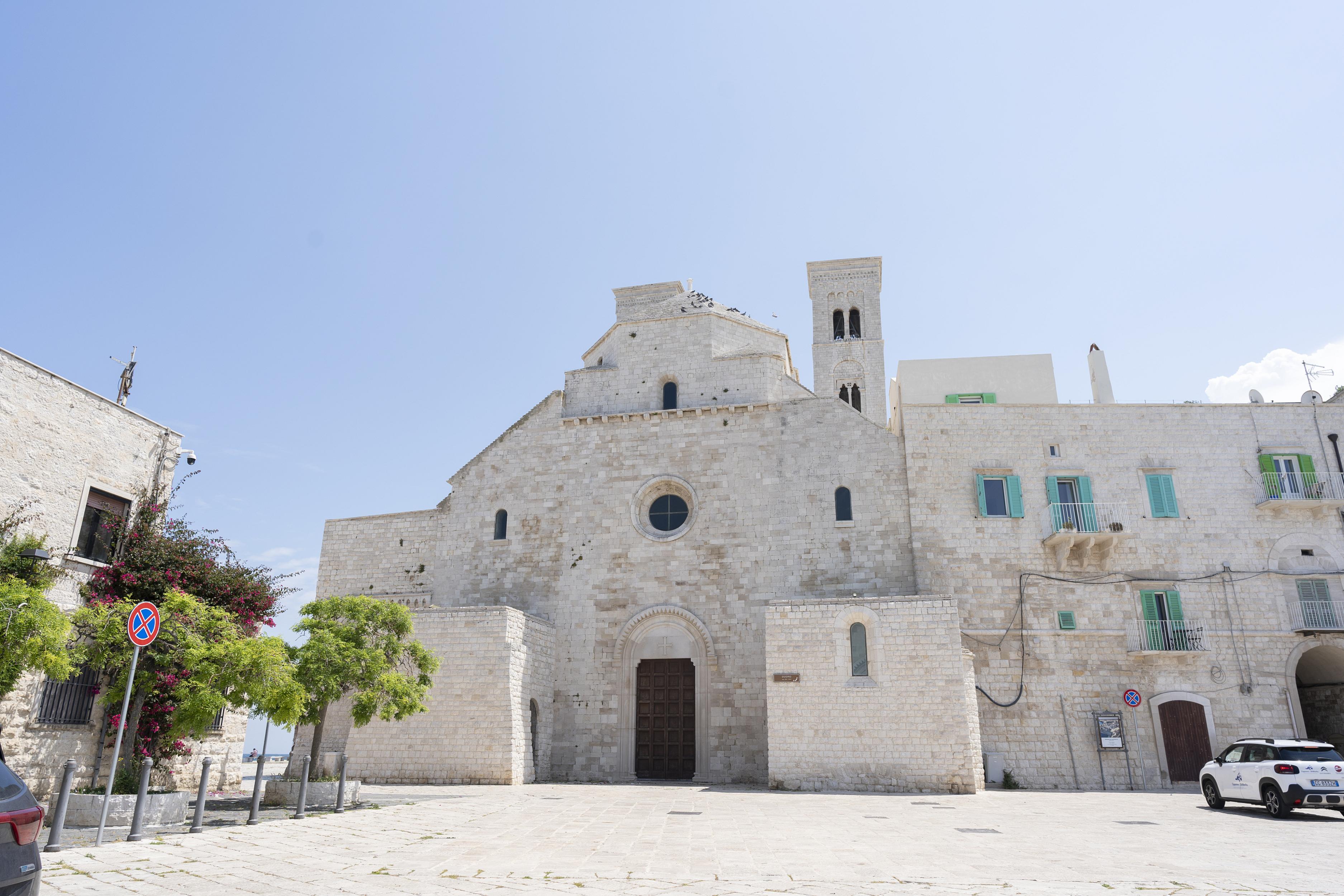
The Duomo di Molfetta, officially known as the Cattedrale di San Corrado or Duomo Vecchio di San Corrado, is a magnificent example of Apulian Romanesque architecture.
The cathedral features an imposing façade in white limestone, with two bell towers soaring towards the sky and dominating the town's skyline. The exterior of the duomo is admired for its elegant architectural lines and the sculptural details adorning its façade. Facing the sea — as with many of the nearby coastal towns, so that it could be seen by sailors approaching from afar — this architectural masterpiece can be admired both while strolling along Molfetta's seafront and while sailing just off its small harbour.
DEPARTURE
Read more
Santo Stefano Church
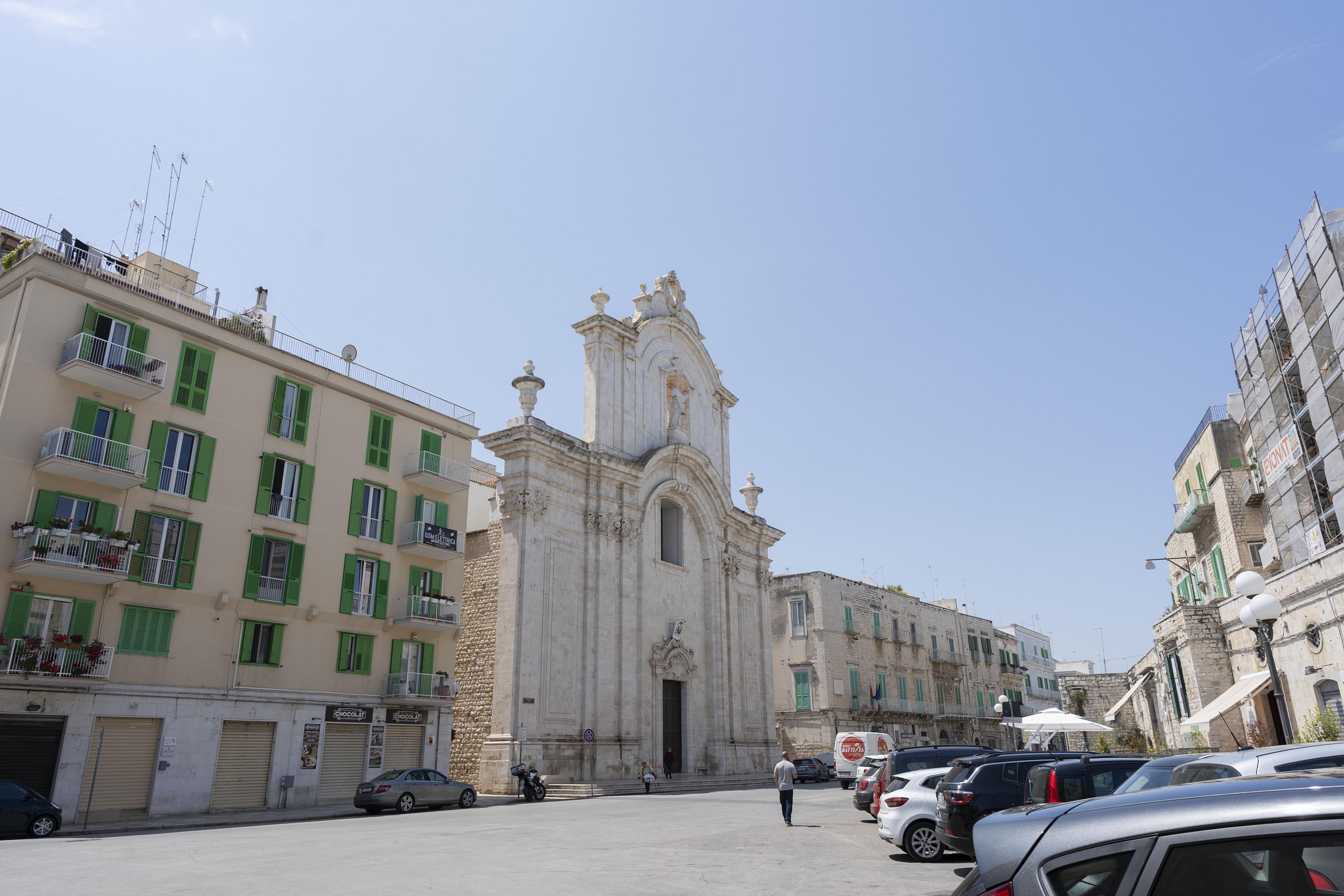
The Chiesa di Santo Stefano (Santo Stefano Church), seat of the confraternity of the same name, stands on the street that runs alongside Molfetta's harbour, along which the town's main monuments unfold.
Its Renaissance-style façade, perfectly nestled among the buildings of Corso Dante, is characterised by two aligned domes and the maiolica-tiled cladding of its small, distinctive bell tower.
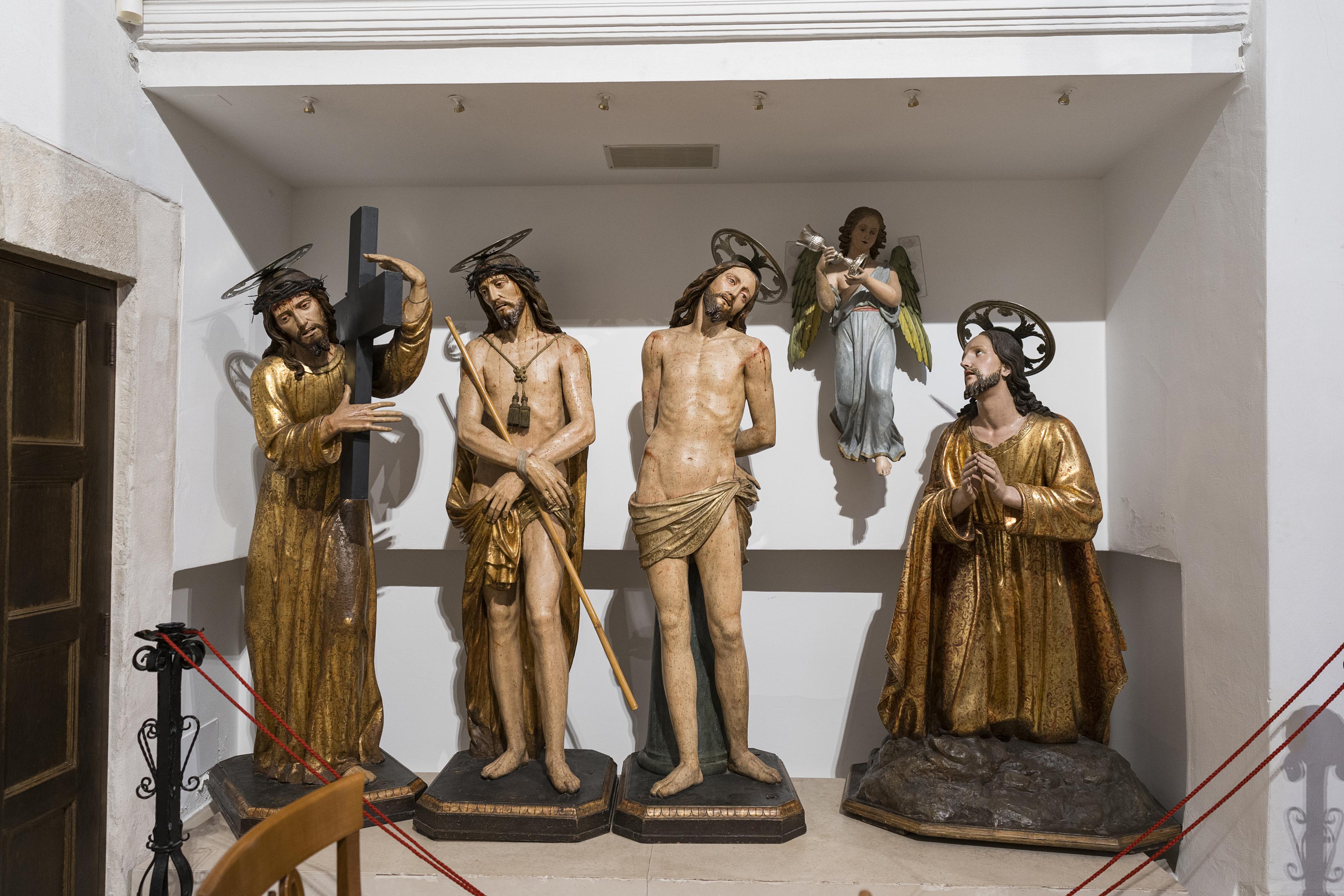
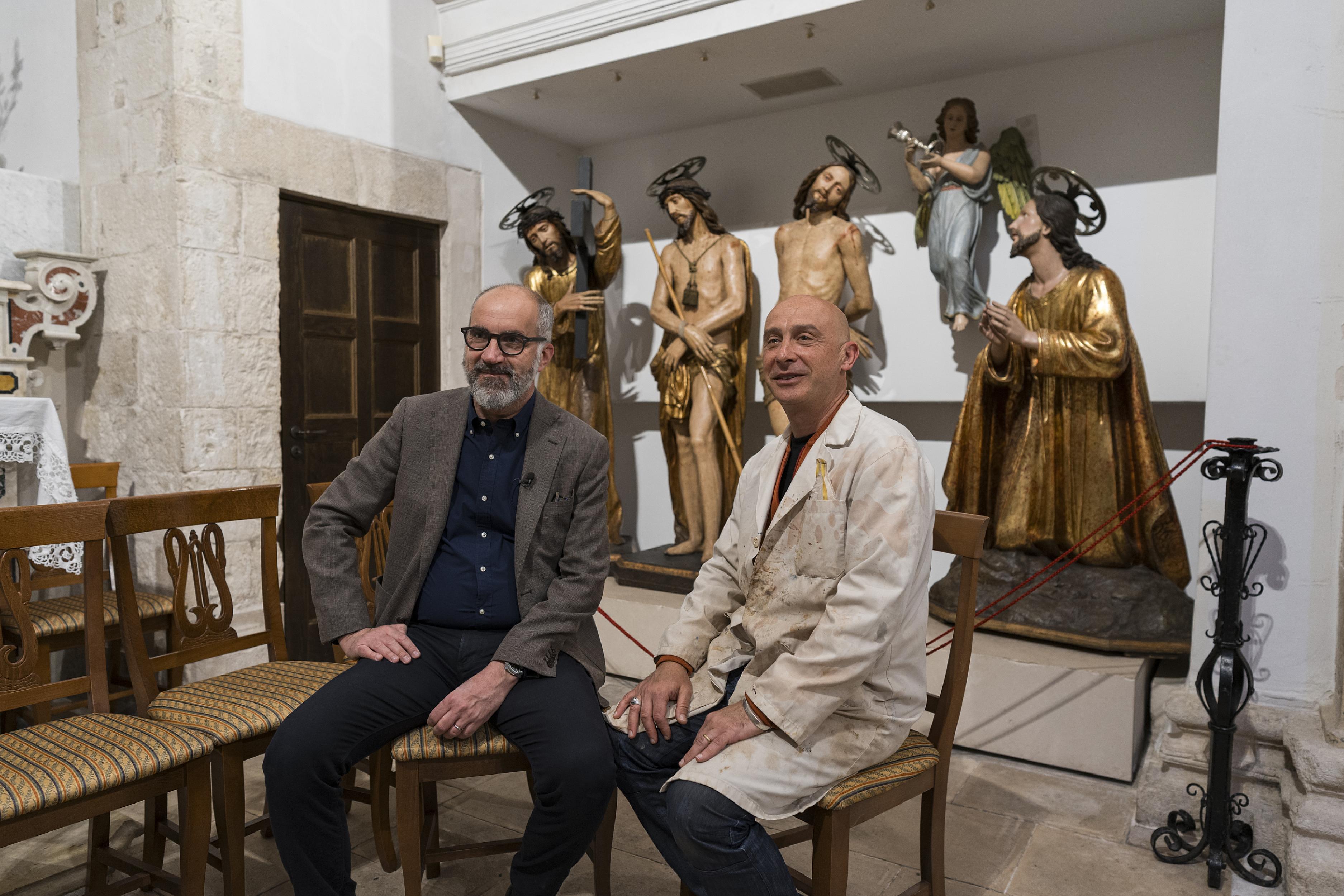
Inside the church stand the wooden statues depicting the Passion of Christ, known as the "Misteri" ("Mysteries"), the central figures of the Good Friday Procession.
0.28 km
3m 50s
Church of Death
Originally called Santa Maria del Piano, the Chiesa della Morte (Church of Death) stands in the heart of Molfetta's old town.
Many stories have been passed down about this place, always watched over by the members of the Arciconfraternita del Sacco Nero, or della Morte (Archconfraternity of the Black Sack, or of Death).
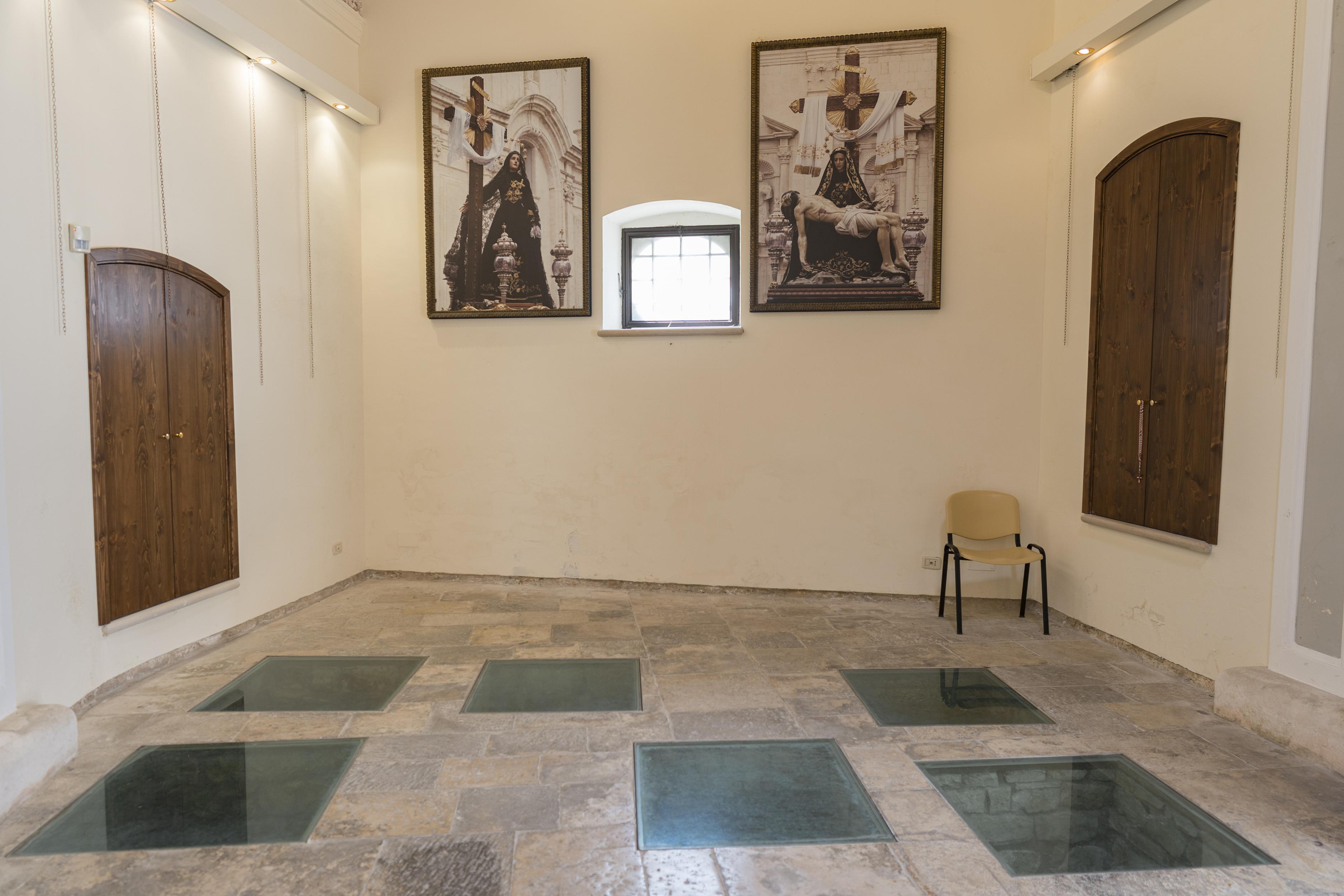
In the past, the main purpose of the archconfraternity and of the Chiesa della Morte was tied to the need to give the dead a dignified burial. Burials took place inside the church, with bodies laid in a communal pit that led directly out to sea.
Today, the role of the Confraternita della Morte is mainly linked to the rites of Holy Week, and in particular to the Processione della Pietà, held on Holy Saturday.
0.3 km
4m 12s
Pulo of Molfetta
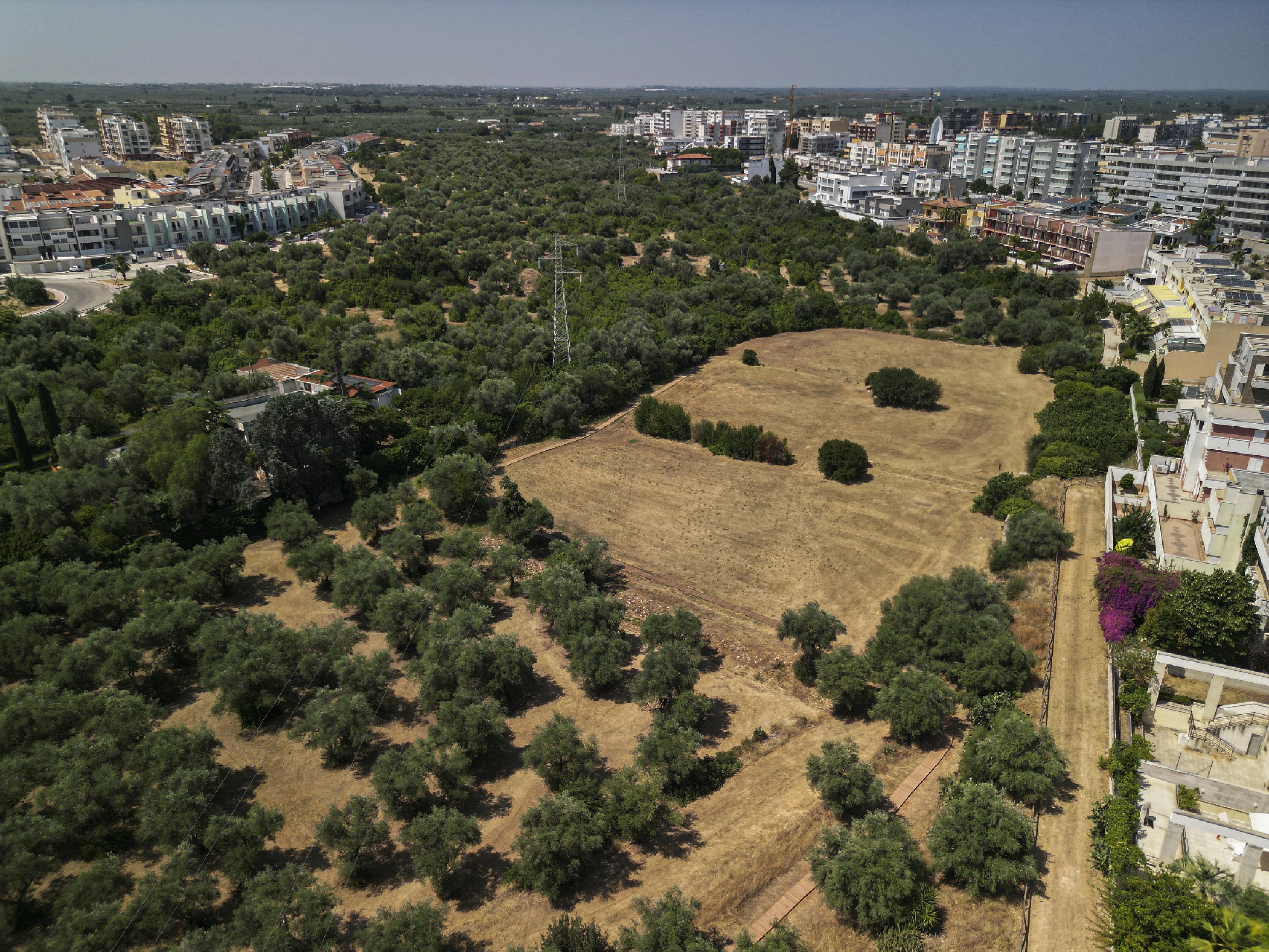
The Pulo di Molfetta is one of the largest karst sinkholes in Puglia, located just a few kilometres from the city. This natural formation, over 30 metres deep and 170 metres wide, is a site of great geological and historical interest. Its rocky walls are home to a variety of flora and fauna typical of the Mediterranean environment, making it an ideal spot for hiking and outdoor activities.
The Pulo has been inhabited since prehistoric times, and numerous archaeological discoveries — including stone tools and the remains of settlements — attest to human presence in the area as far back as the Neolithic period.
Today, the Pulo is a protected area and an important site for scientific research and environmental education. Visitors can explore the hiking trails winding through the karst landscape, admiring its natural beauty and discovering the fascinating history of this unique place.
Guided tours offer a unique opportunity to gain a deeper understanding of the geological and historical importance of the Pulo, making it a not-to-be-missed destination for nature and history lovers. Those most keen to learn more can delve into the captivating history of this site at the Museo del Pulo, housed at Casetta Cappelluti.
2.81 km
40m 42s
Nearby points of interest
Let yourself be inspired by the authentic flavors of Puglia Federiciana. From the delights of the oil mills to the fresh cheeses of the dairies, to the finest wines and liqueurs, every experience will give you a unique journey between tradition and taste.