


The statues of the Holly Week
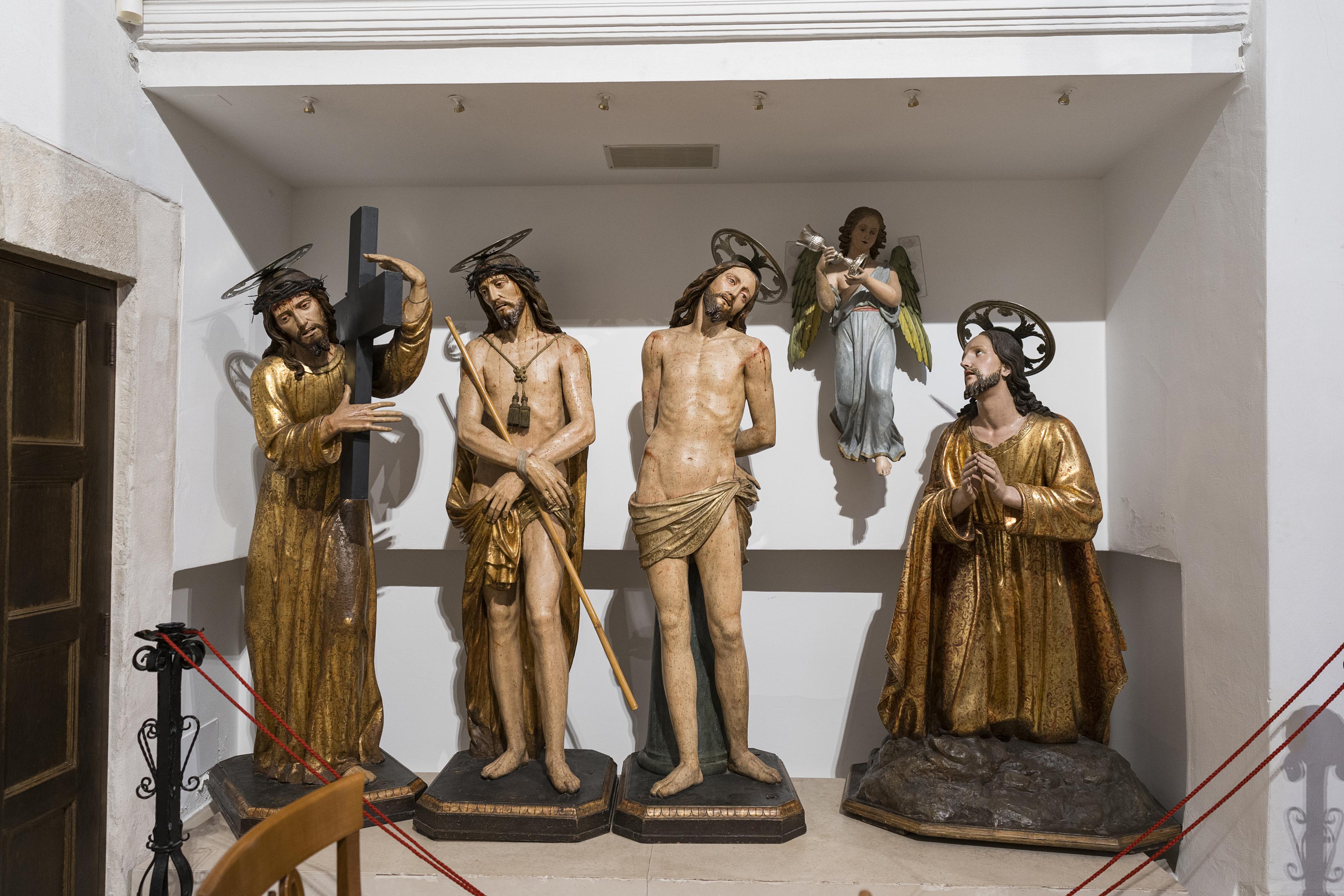
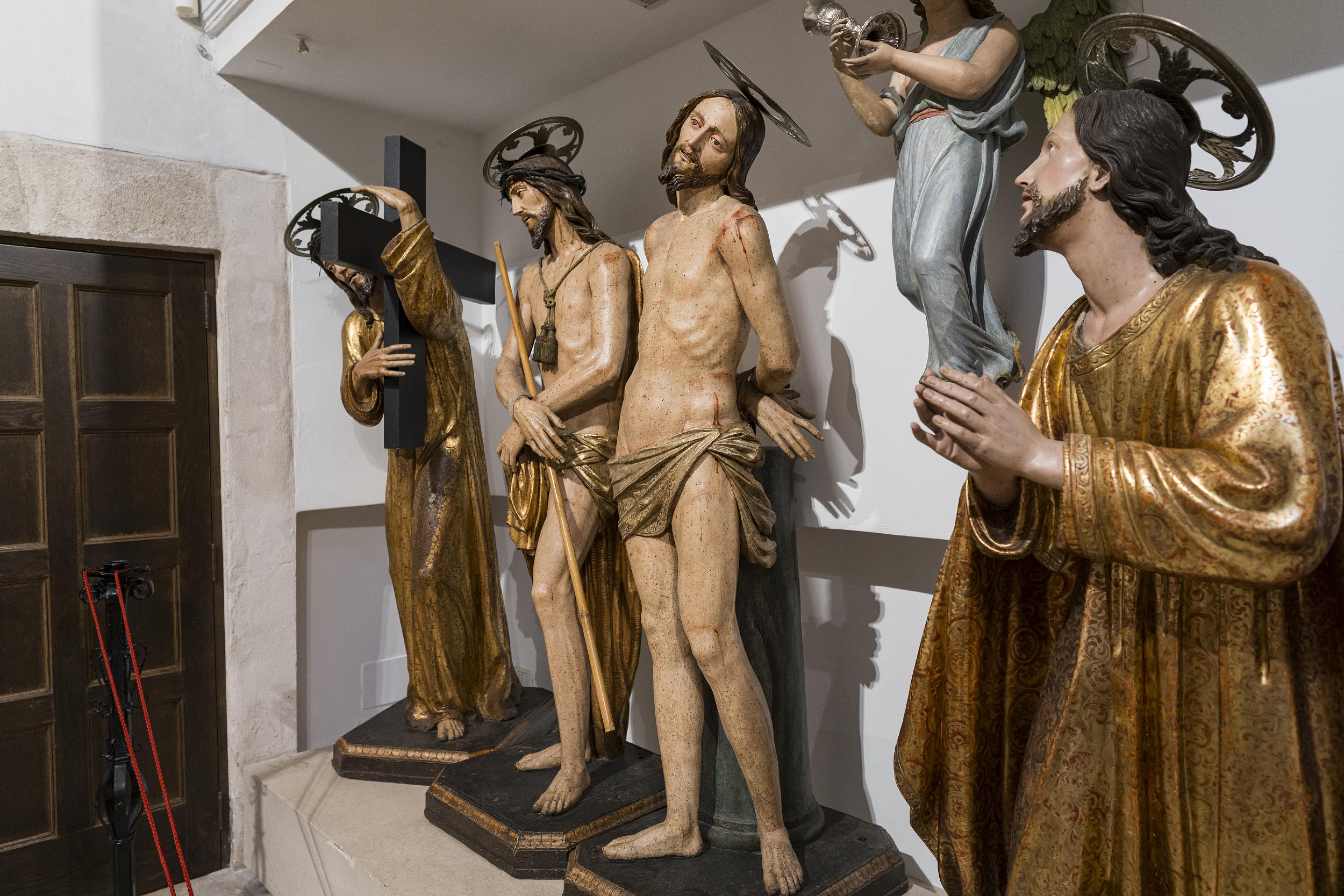
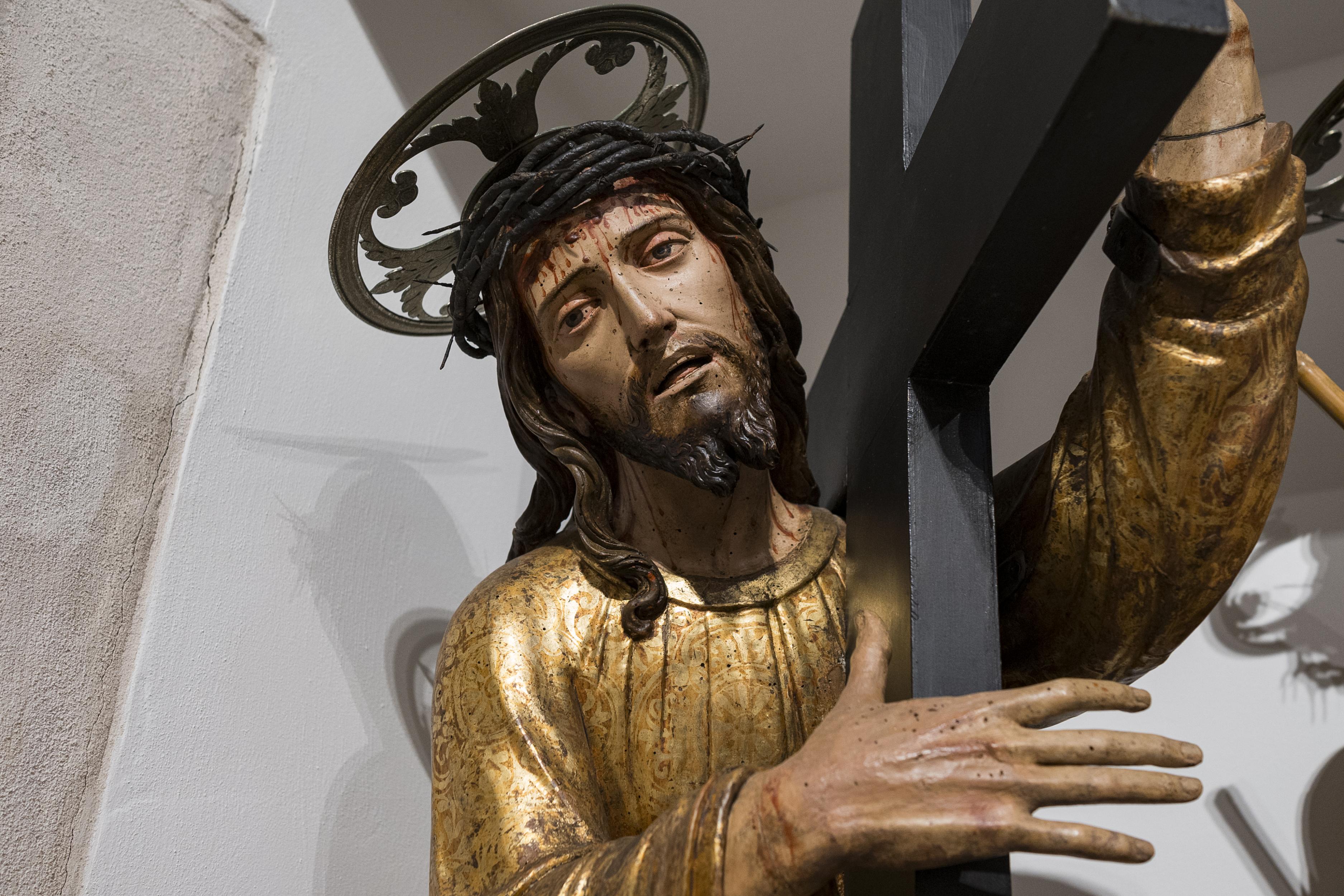
TraditionsFive wooden statues, known as the Misteri, are the protagonists of Molfetta's Easter processions on Good Friday, housed in the Church of Santo Stefano.
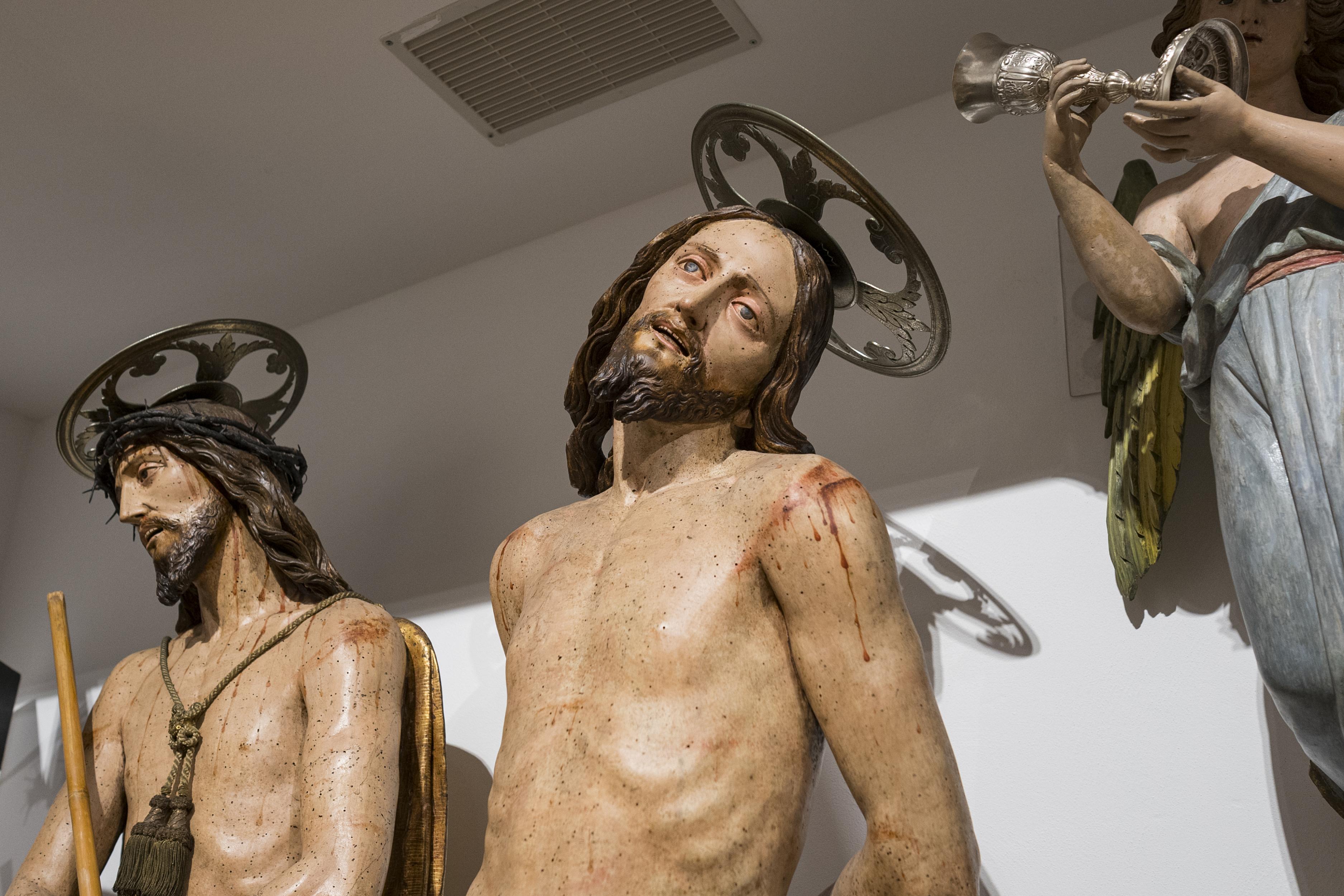
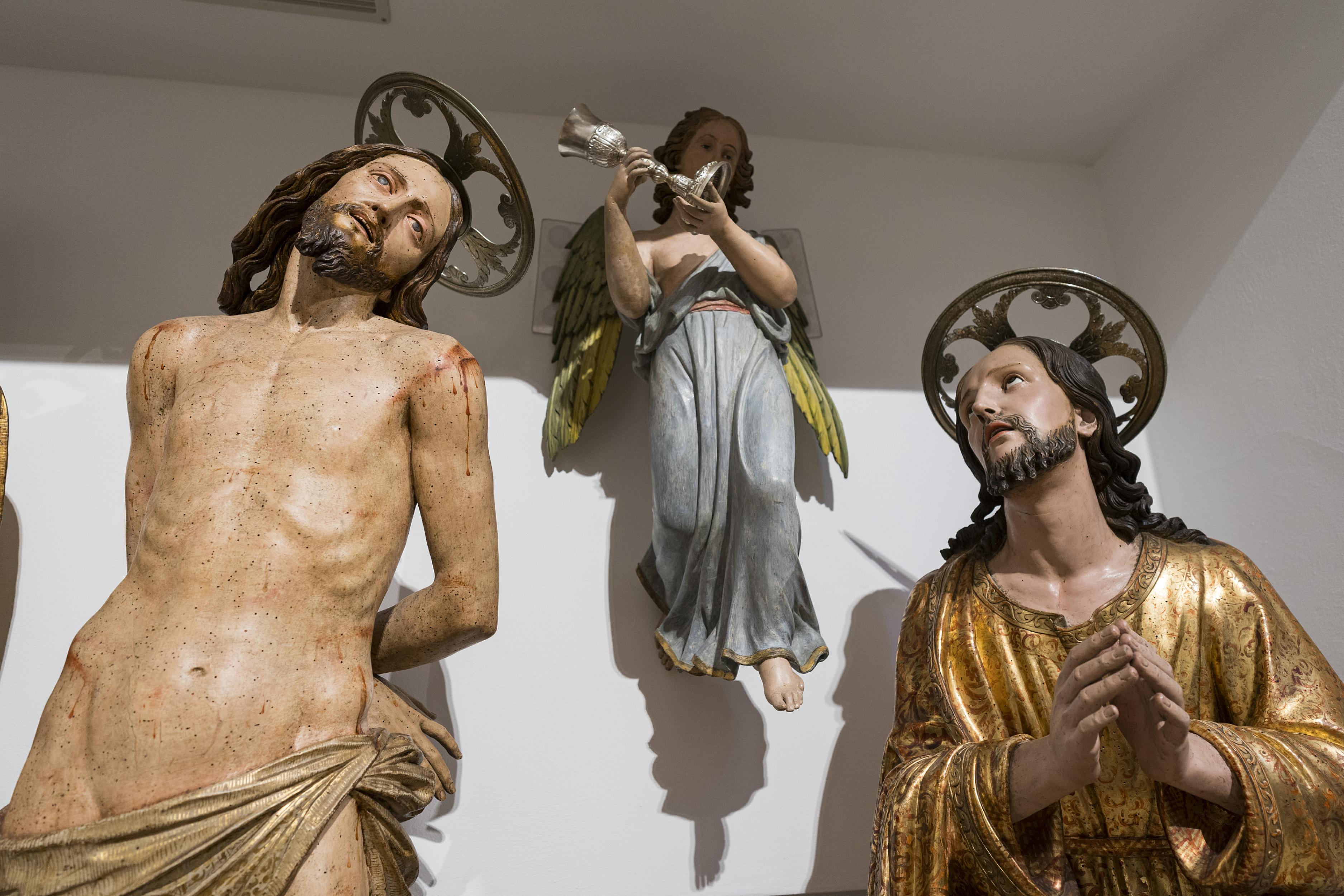
These sculptures represent an inestimable heritage of art, faith, and tradition: far more than mere works of sacred art, they are the tangible expression of a culture deeply rooted in the history and spirit of the Molfetta community, surrounded by an aura of sanctity and beauty nurtured by centuries of ritual. The wooden statues of Molfetta depict, with extraordinary realism, the facial expressions and bodily movements of the figures at the crucial moments of the Passion and Death of Our Lord: Christ praying in the Garden of Gethsemane, the Scourging of Christ, the Mocking of Christ (Ecce Homo), Christ carrying the Cross, and the Dead Christ.
The author of these statues remains unknown, and numerous legends surround them; the most credible conjectures attribute them to the Neapolitan tradition of wood sculpture of the sixteenth century. The papier-mâché statues by Molfetta-born sculptor Giulio Cozzoli, by contrast, are of certain authorship; they were purchased by the Confraternity of Death in the early twentieth century and are today carried in procession on Holy Saturday. On this day, the solemn procession that closes Holy Week takes place. It originated in the second half of the eighteenth century, originally carrying only the group of the Pietà.
The procession comprises seven statues representing the Figures of the Passion, housed inside the Church of Purgatory.
Saint Peter — depicted with his left hand to his ear, symbolising the gesture made upon hearing the cock crow;
Veronica — depicted with outstretched arms, holding the cloth bearing the imprinted, bloodied image of Jesus's face;
Mary of Clopas — depicted with a desolate expression, holding in her hands the crown of thorns and the nails of the crucifixion;
Mary Salome — the statue represents an elderly woman of frail build, carrying in her hands a jar of ointment to embalm the body of Jesus;
Mary Magdalene — depicted in the posture of one imploring forgiveness;
Saint John — one of the twelve disciples, who followed Jesus to the Cross.
The last of the seven statues is the Pietà — depicting the Madonna holding the dead body of Jesus, just taken down from the Cross, in her lap. Jesus is depicted with his right arm falling across his Mother's knees. The work, executed with remarkable skill by Giulio Cozzoli, is deeply moving. The Virgin's starry crown is composed of twelve stars symbolising those of the Apocalypse. The sword piercing her breast attests to the prophecy of Simeon. According to some sources, the statue was not entirely the work of the sculptor Giulio Cozzoli, and it is carried in procession by the Arch-confraternity of Death of the Black Sack.
The processional sequence of Molfetta's Holy Week statues represents a profound narrative woven from faith, art, and the knowledge of times past.
CONTACTS
OPENING HOURS

Similar points of interest
Puglia Federiciana invites you to discover a place where history and nature intertwine, creating unforgettable experiences among ancient villages and authentic flavors.