
Bisceglie
A Day in Bisceglie — Between Famous Landmarks and Hidden Gems
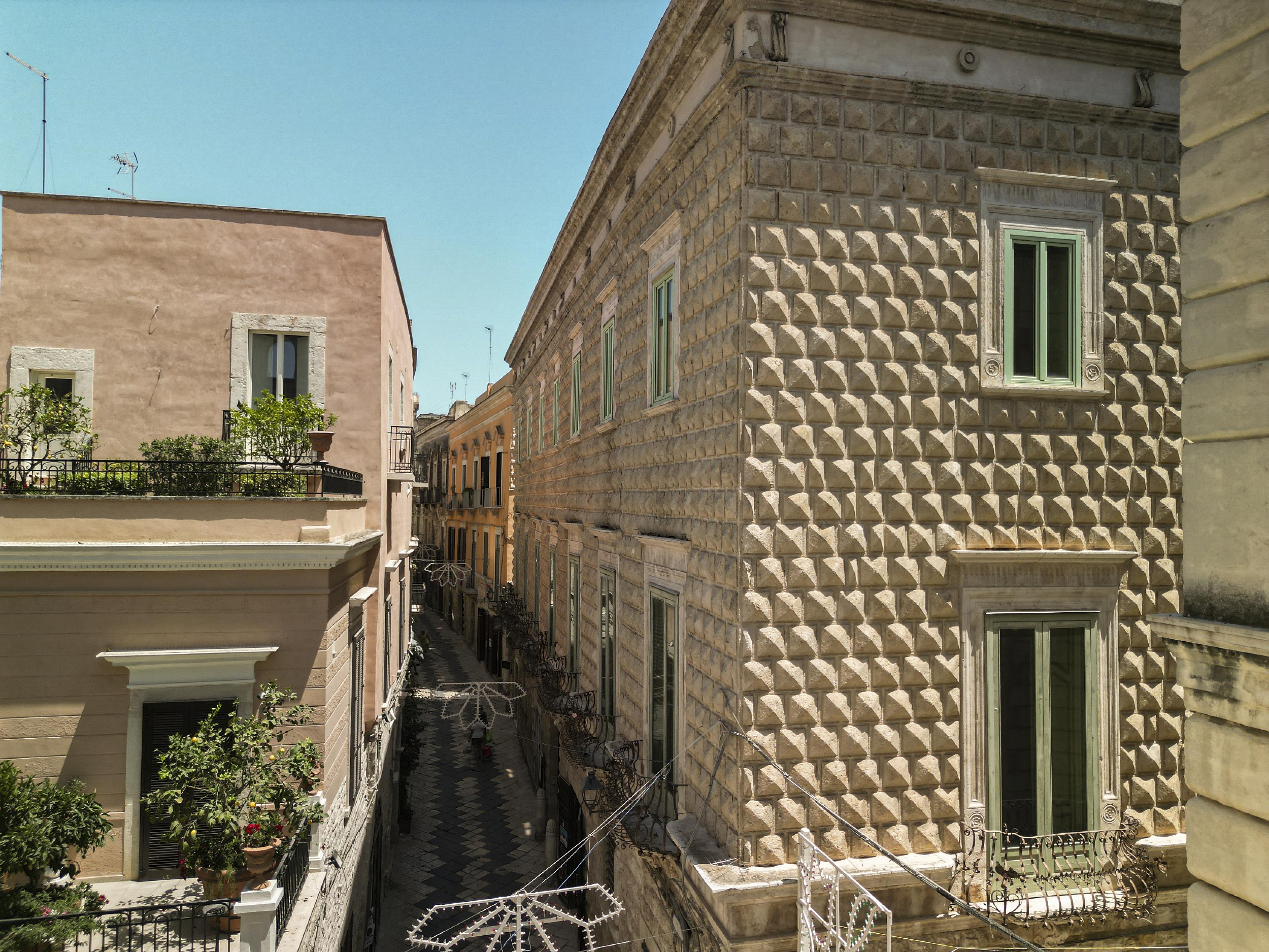
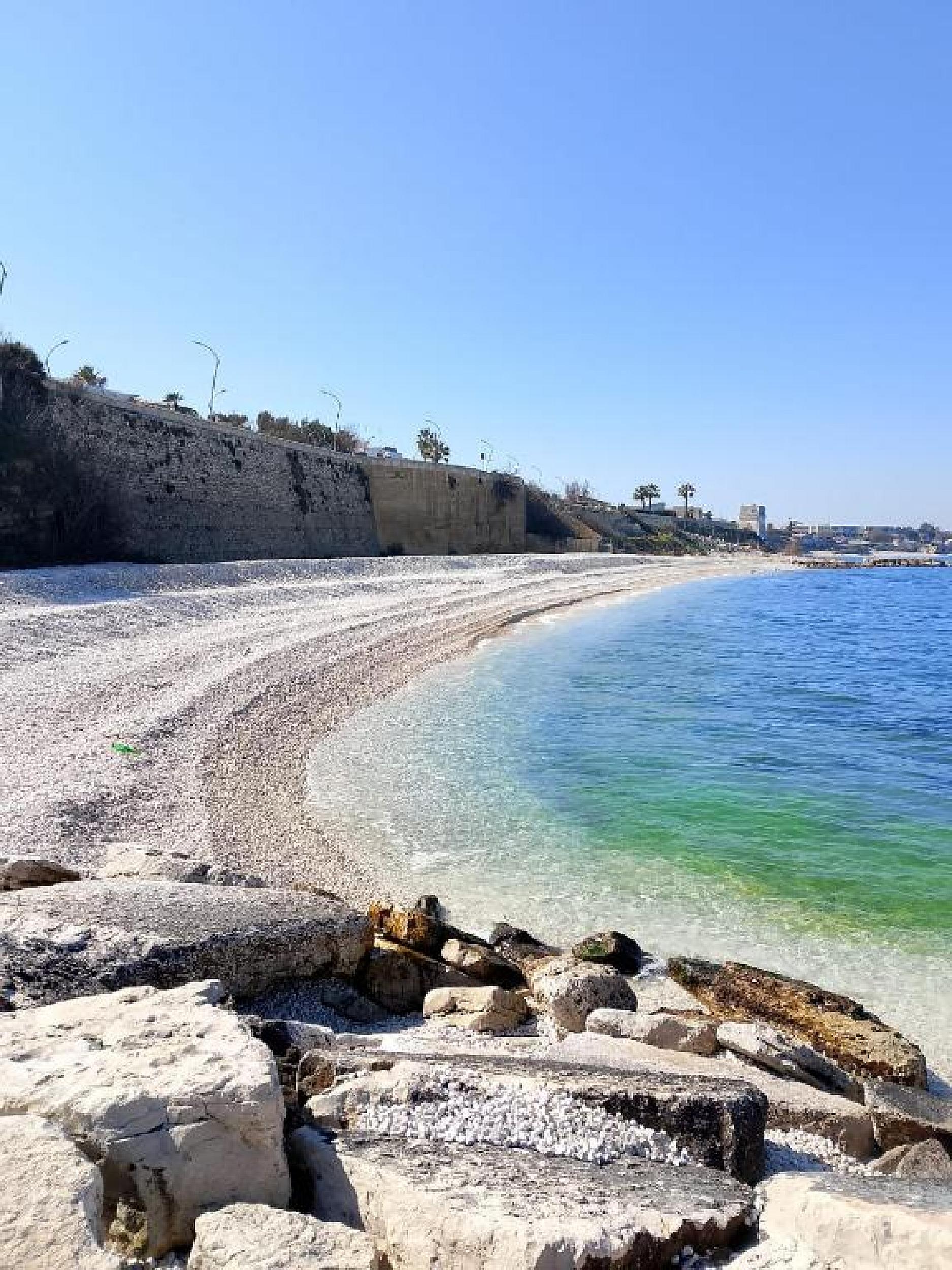
CulturaThe small but well-equipped port of Bisceglie will welcome you with the scent of fresh fish and the voices of fishermen that accompany you all the way into the historic center — a charming maze of narrow streets adorned with noble ancient palaces such as Palazzo Tupputi, with its magnificent diamond-point ashlar and its beautiful staircase in Neapolitan style. Equally fascinating is Palazzo Tafuri, also known as Palazzo Borgia, which over time gained notoriety for being attributed as the summer residence of Lucrezia Borgia — the famous Italian noblewoman whose direct connection to Bisceglie stems from her second marriage in 1498 to Alfonso of Aragon, making her the Duchess of Bisceglie.
As you enter the ancient borough, you will be greeted by the intense fragrance of flower-filled balconies and the dazzling brilliance of the white stone of the medieval "case a torre" — tall, tower-like houses that were once a distinctive feature of the town's skyline. Stop at the colorful and lively seafood market, where you can purchase the finest local catch. From here, raise your eyes to spot the imposing Maestra Tower of Svevo-Angioino Castle, where in the late 15th century, Duchess Isabella del Balzo — future wife of the King of Naples — once resided. From the same era date the Torrioni and the city walls, built by the Angevins and later expanded by the Aragonese to defend the town against Turkish incursions.
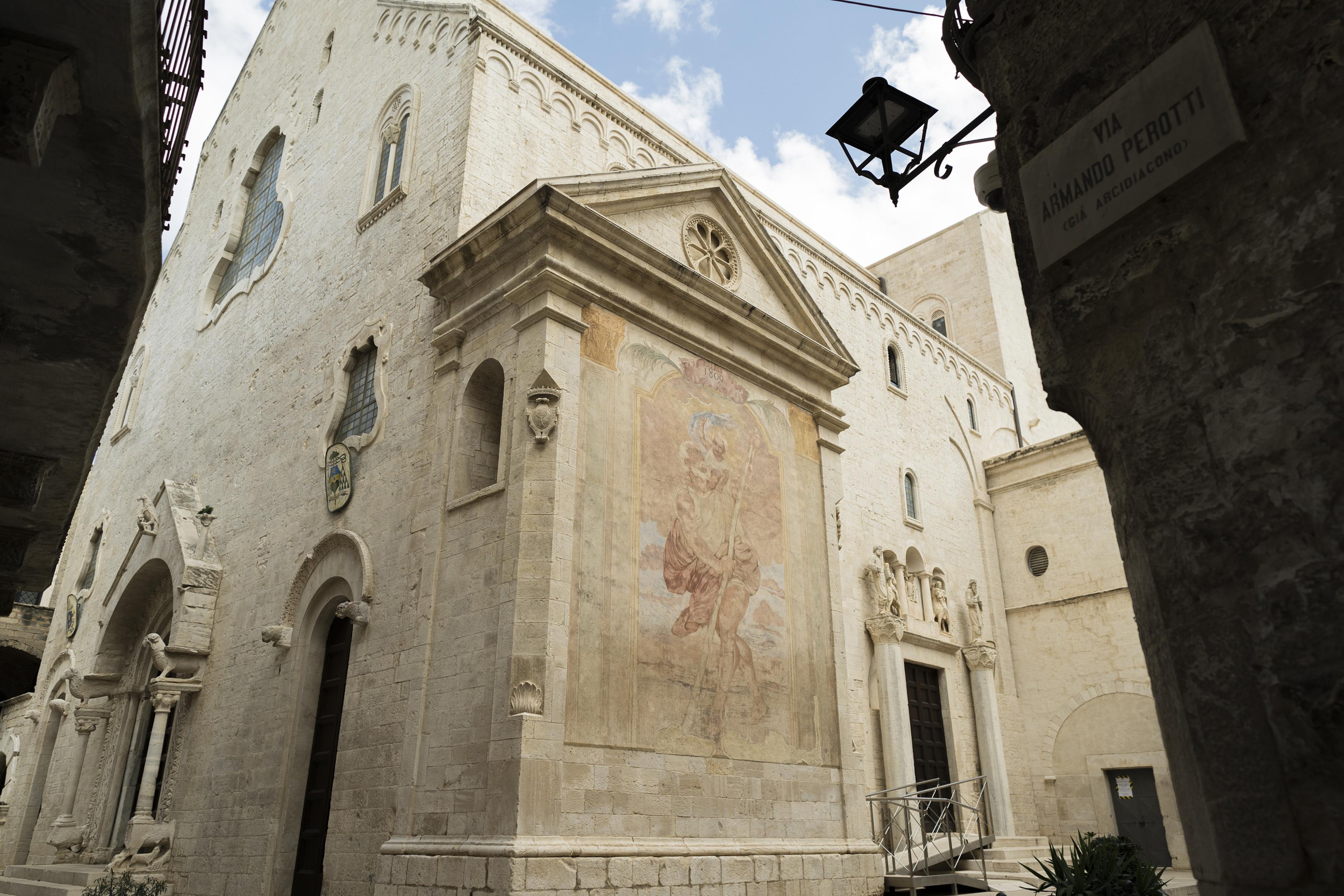
Reaching the heart of the historic center, take a moment to admire the Cathedral, in whose crypt the relics of Bisceglie's three patron saints are preserved — Mauro, Sergio and Pantaleone. Visit the treasures of the Diocesan Museum, which houses works of painting, sculpture, goldsmithery and a remarkable collection of period garments.
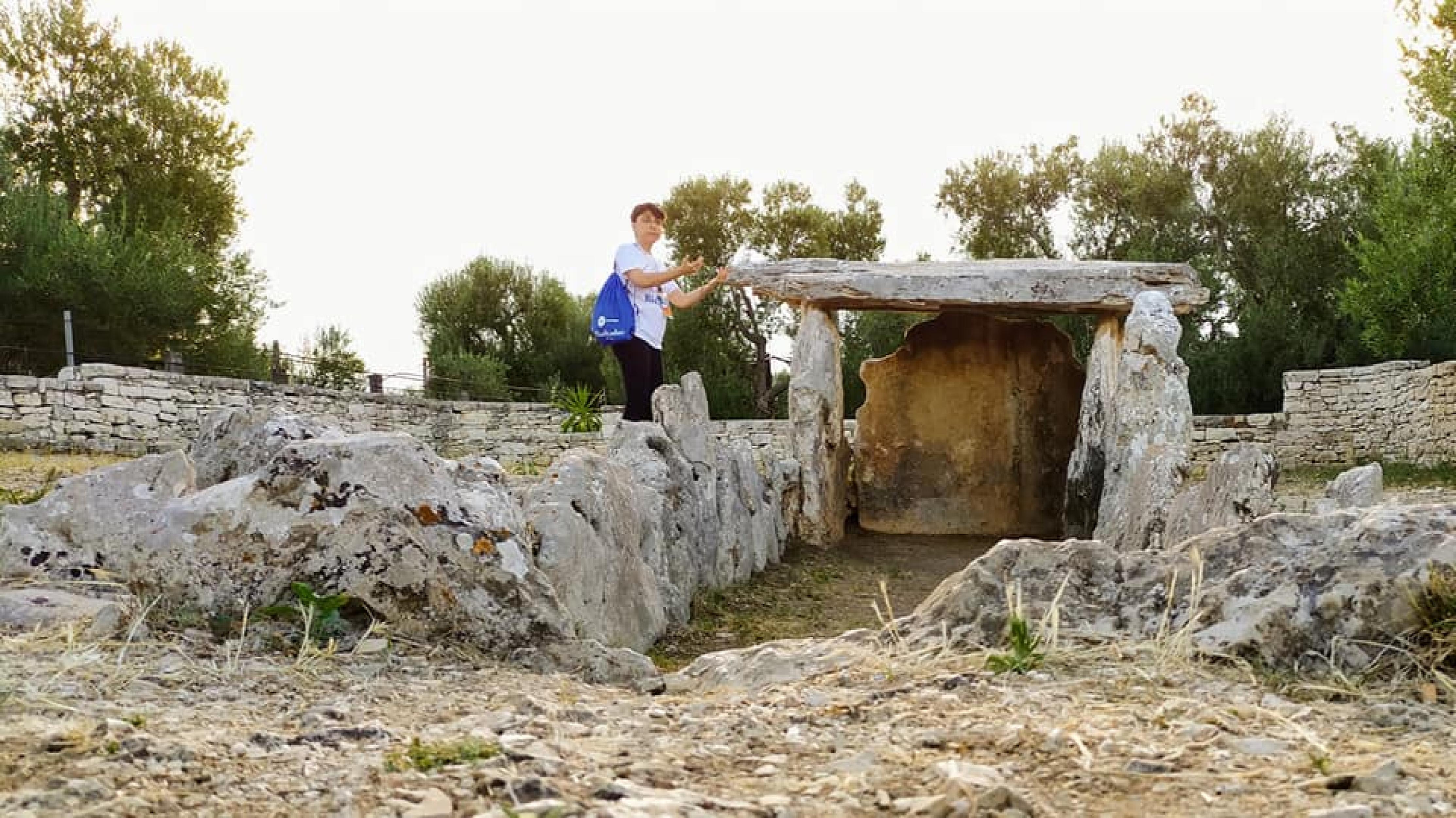
Once you leave the town, you can visit the Dolmen della Chianca, Albarosa and Frisari — funeral monuments dating back to the Bronze Age — or explore the Cave of Santa Croce, where a femur of Homo Sapiens Neanderthalensis was discovered. In the ravines scattered across the territory, such as Lama di Macina and Ponte Lama with its Guardian Tower, let yourself be enchanted by the intoxicating scents of the Mediterranean scrubland.
6.18 km
Total distance
1h 28m
Travel time total
Catherdral of Bisceglie
In the heart of Bisceglie stands the Cattedrale di San Pietro. Surrounded by the houses of the historic centre, which seem to watch over it protectively, it rises majestically, a silent guardian of history and faith. Its imposing stone façade, with one of the finest portals of Apulian Romanesque architecture, captures the soul of visitors and invites them inside, where a serene atmosphere of sacredness awaits.
Among the aisles, bathed in soft, ever-present light, the eye is drawn towards the main altar, flanked by the beautiful wooden choir of which Bisceglie is immensely proud. What makes the cathedral truly special is not only its beauty, but the warm welcome given to those who choose to visit: Angelo, the sacristan, is a generous keeper of knowledge and ancient anecdotes that make every visit a truly unique experience.
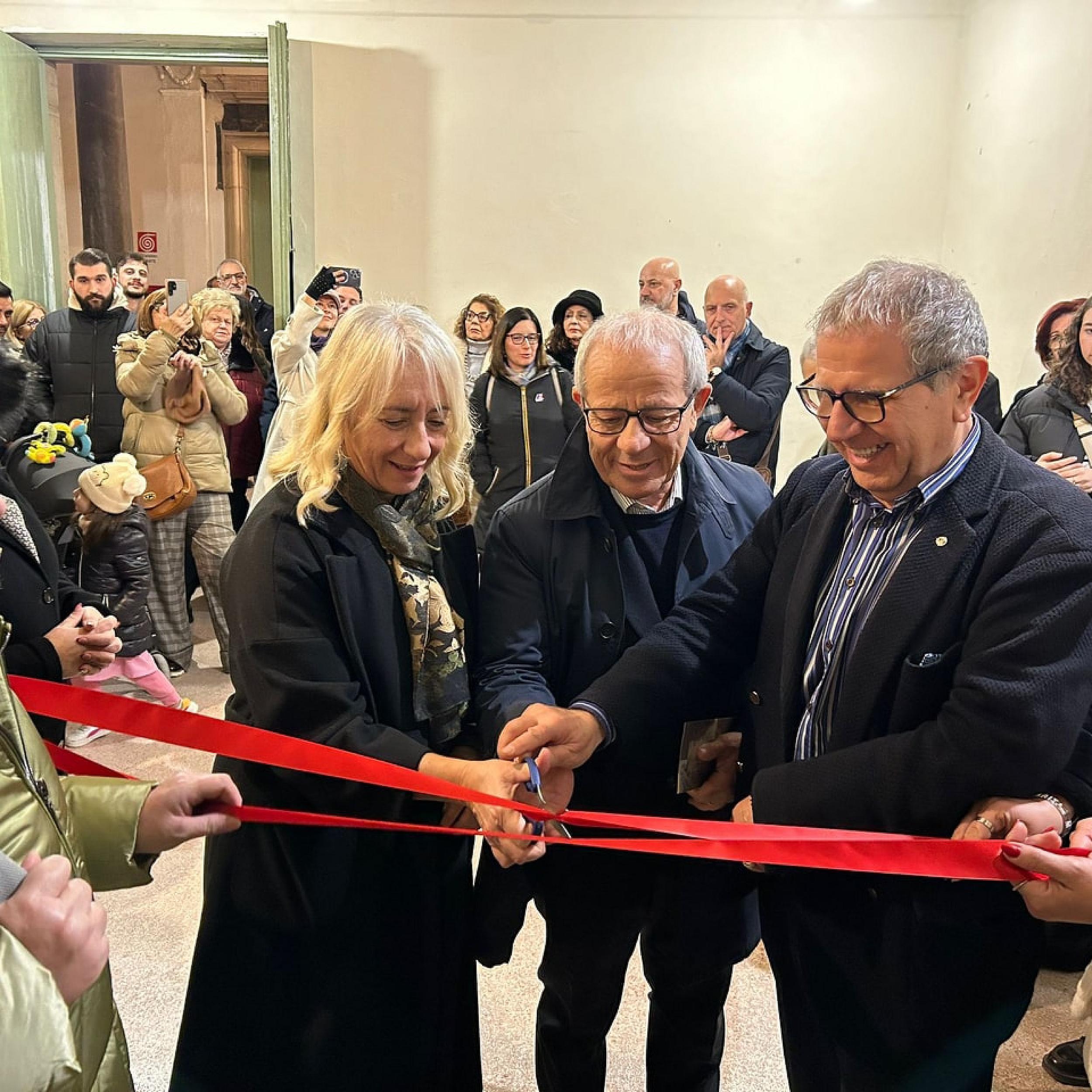
Today, thanks to the restoration project "Storia, Riti e Racconti nella Cattedrale" (History, Rites and Stories Within the Cathedral), the cathedral offers a fully inclusive visitor experience, featuring multimedia and tactile 3D installations, the "Bisceglie in Miniatura" exhibition, and ancient spaces — such as the crypt and the matronei — now open to the public, offering visitors the chance to discover the very places where the history of Bisceglie first began.
DEPARTURE
Read more
Diocesano Museum of Biseglie
The Museo Diocesano di Bisceglie is a treasure trove that carefully and devotedly preserves the town's rich artistic and religious heritage.
The building, skilfully restored in the 1970s, dates back to 1696 and stands next to the Romanesque cathedral; visitors enter through an evocative courtyard, where climbing the stone staircase brings a sense of calm, preparing the eye to be filled with wonder.
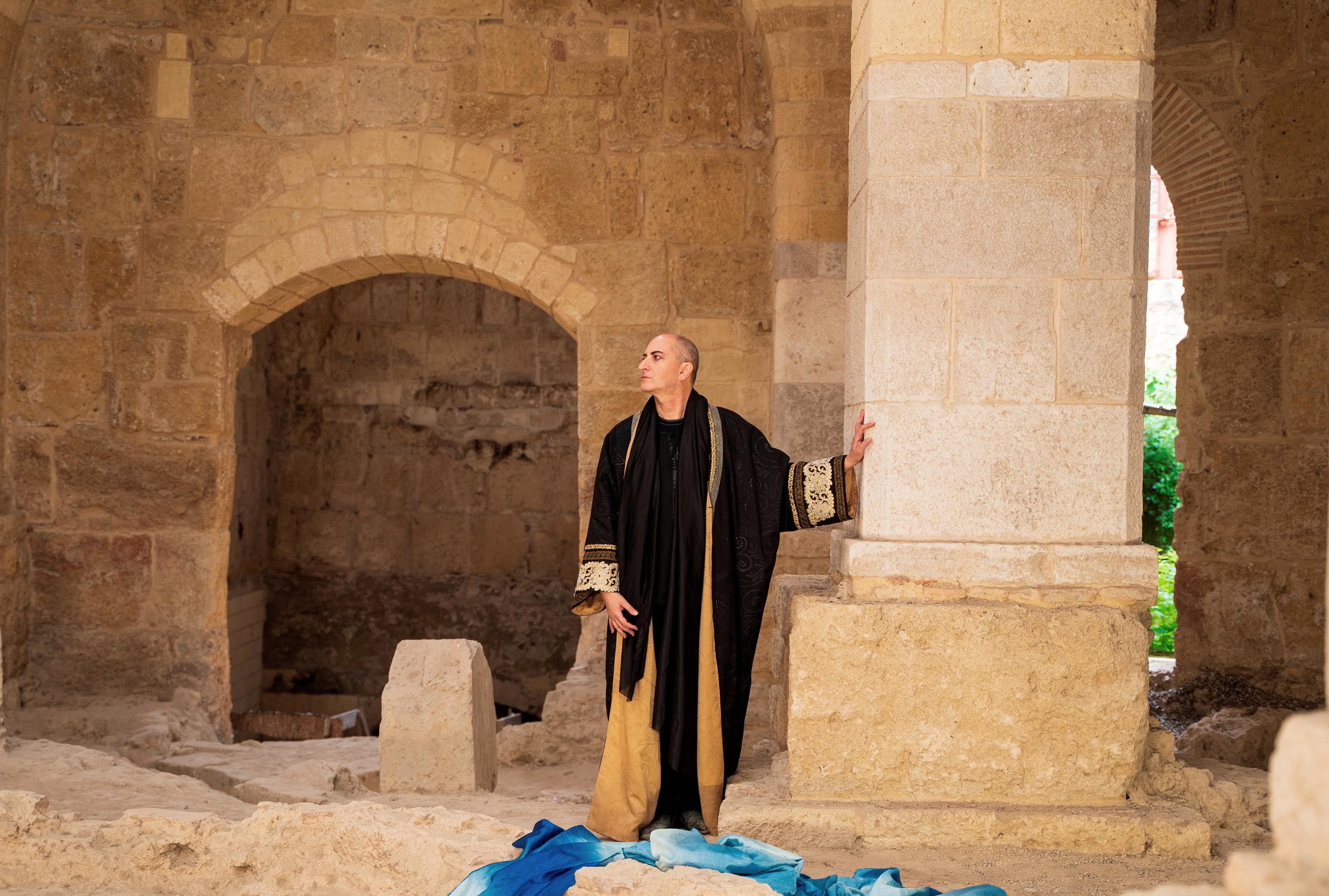
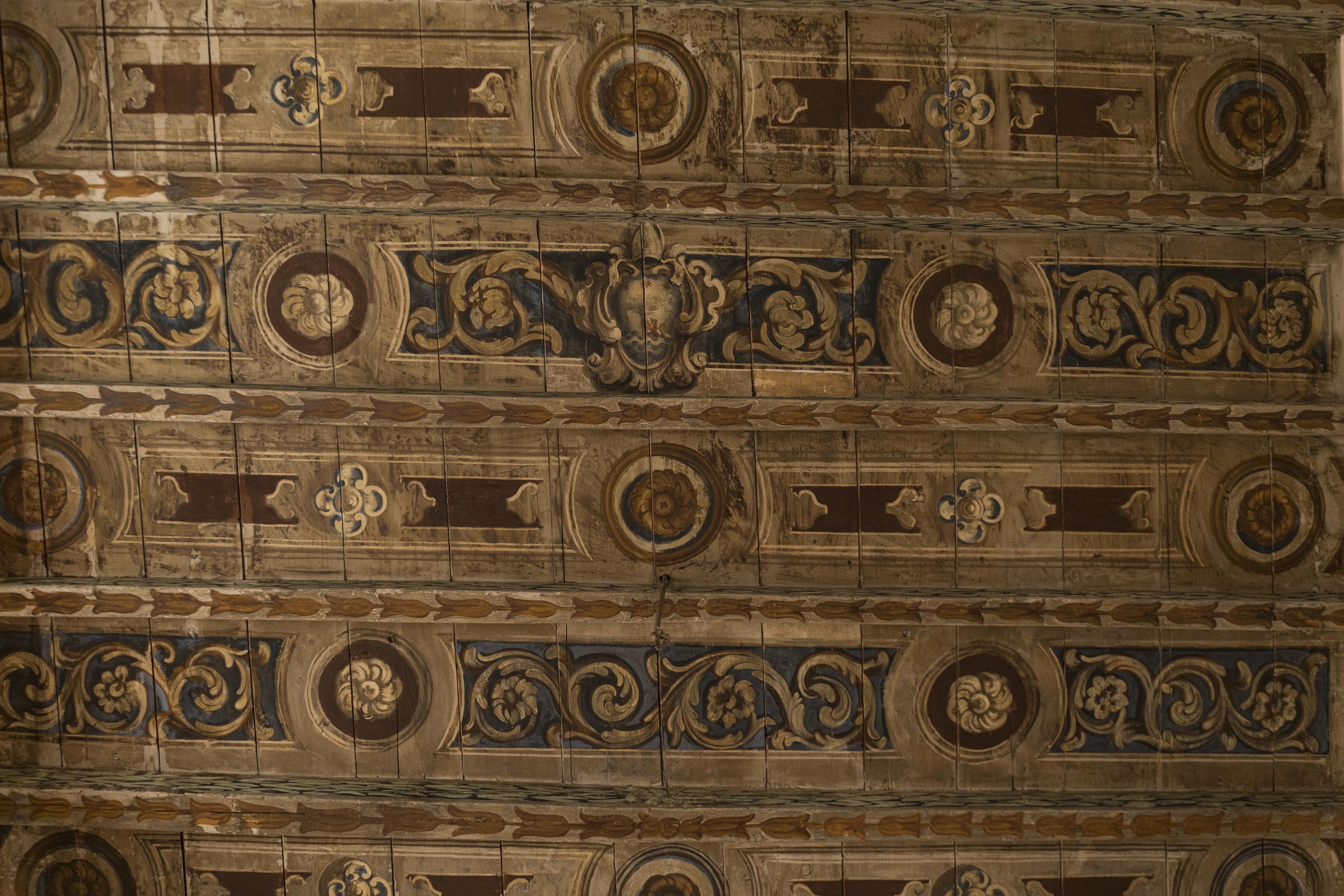
Eighteen rooms, some featuring perfectly preserved painted wooden ceilings, house works of sacred art including paintings and sculptures, votive offerings, liturgical vestments, ancient manuscripts and exquisite traditional lace.
The collections span a broad period of time, from the Middle Ages to the modern era, offering a journey through the history of the diocese.
0 km
0s
The Dolmen from Bisceglie
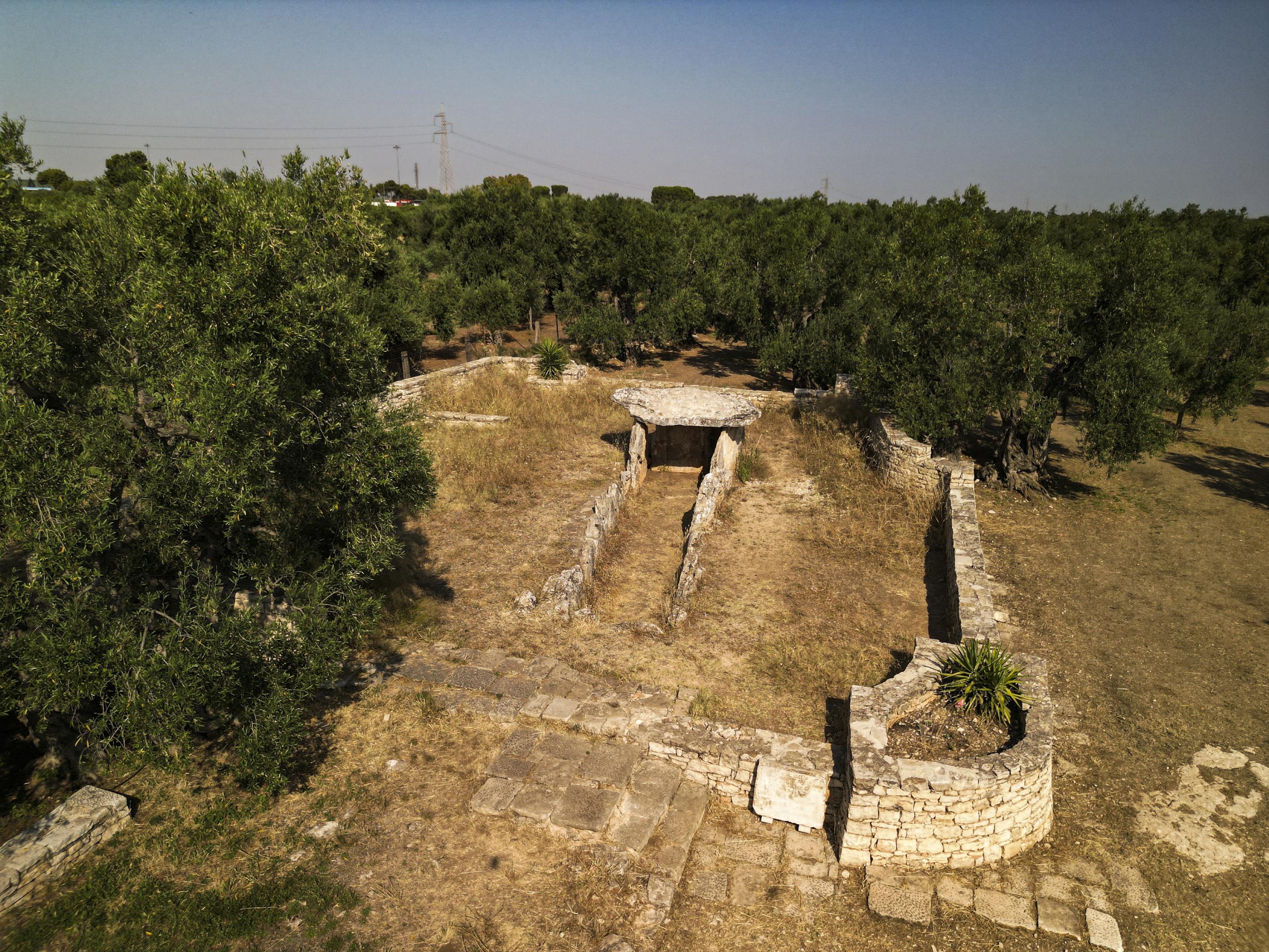
The Dolmens of Bisceglie are megalithic monuments dating back to the Bronze Age, located in the countryside surrounding the town. These structures, made up of large stone slabs arranged to form burial chambers, are among the oldest evidence of human presence in Puglia.
The dolmens are surrounded by centuries-old olive groves and dry stone walls, creating an evocative landscape steeped in mystery.
These sites were likely used for religious and funerary rituals, and today offer a fascinating window into the cultural practices of the region's ancient populations.
The Dolmen della Chianca is the best preserved and most easily accessible to visitors wishing to explore the area's remote past. Guided tours provide deeper insight into their history and function, making the visit a unique and evocative cultural experience.
6.18 km
1h 28m
Nearby points of interest
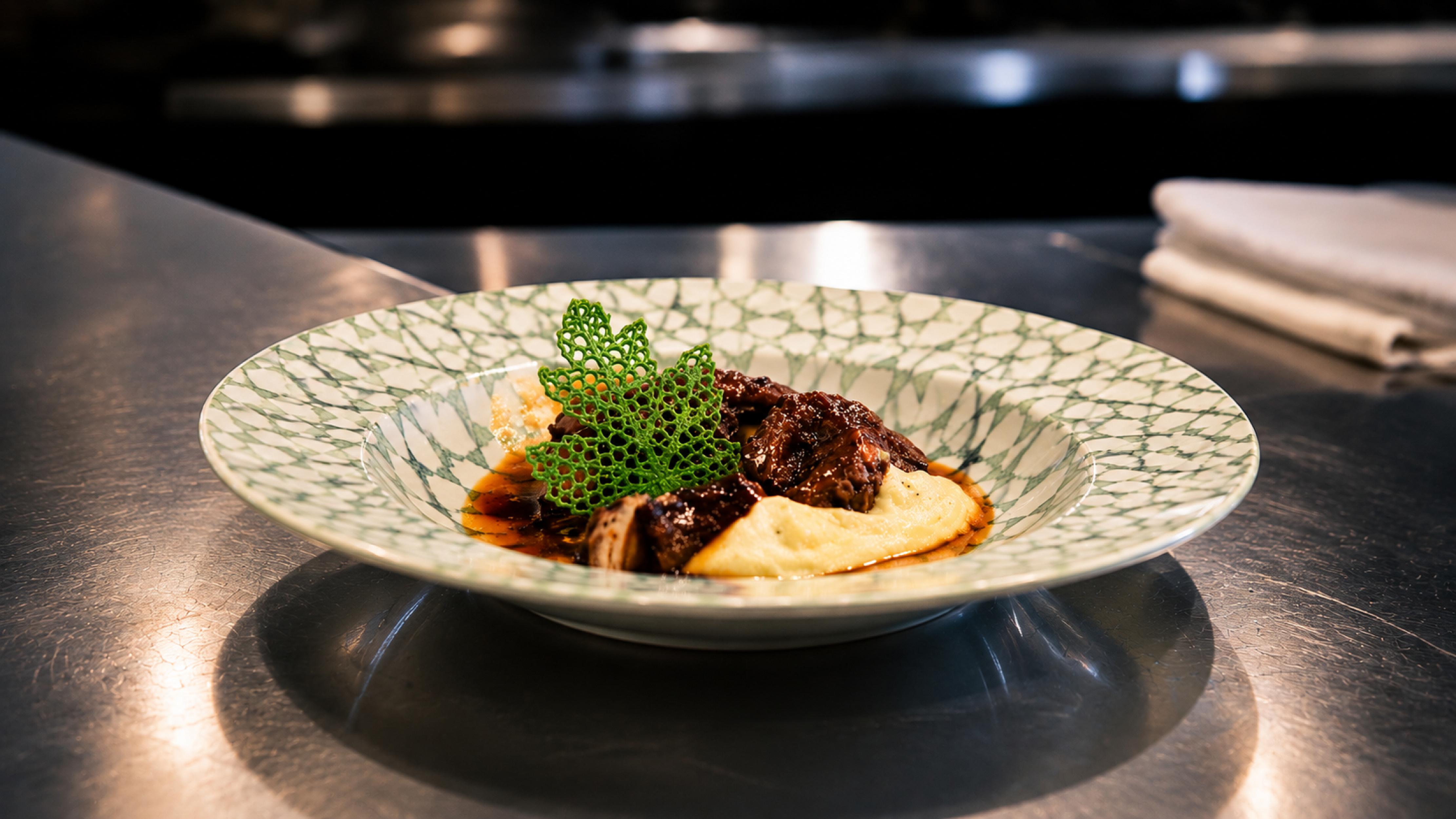
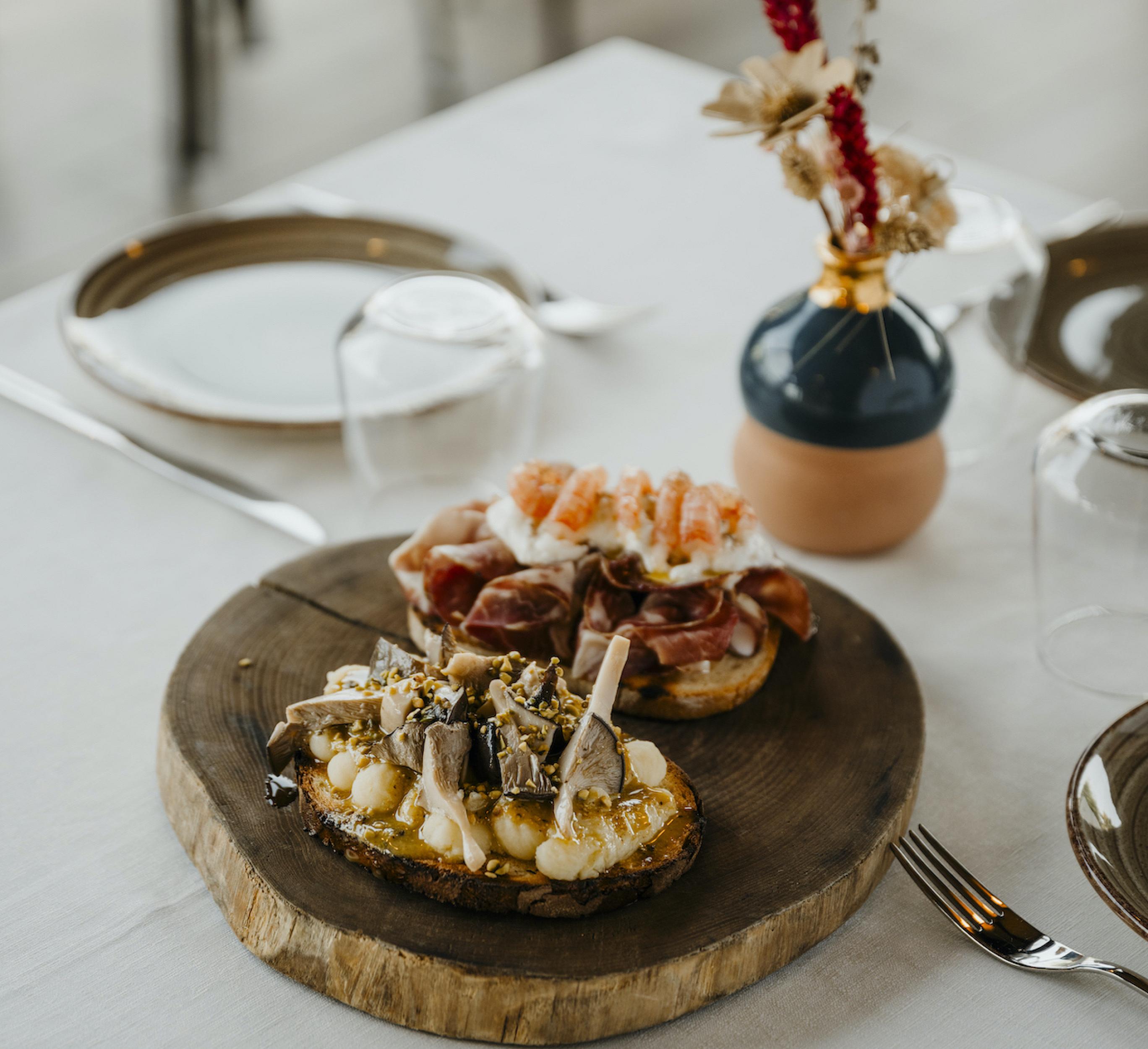
Let yourself be inspired by the authentic flavors of Puglia Federiciana. From the delights of the oil mills to the fresh cheeses of the dairies, to the finest wines and liqueurs, every experience will give you a unique journey between tradition and taste.